
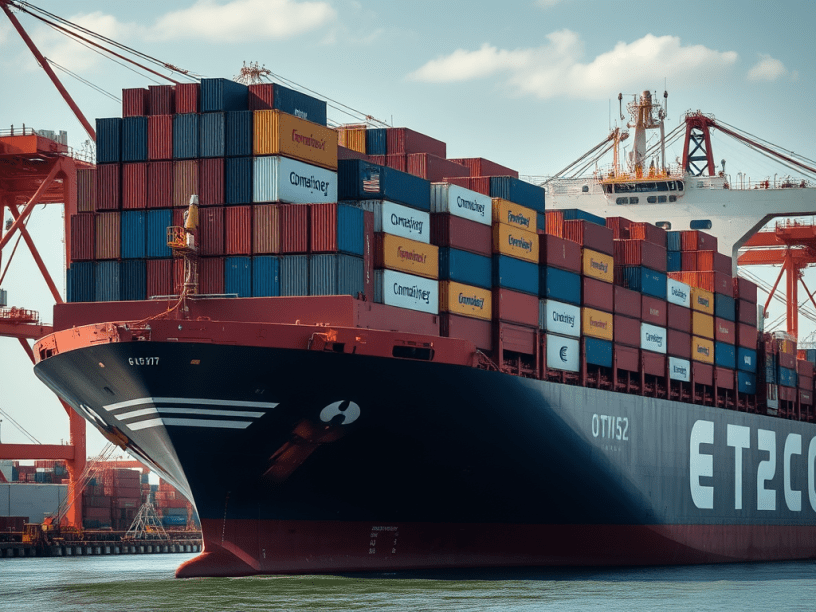
Exporting Goods from Turkey: A Comprehensive Guide for Foreign Investors
Turkey has become a key global hub for international trade, particularly for foreign investors interested in exporting goods from Turkey. Positioned strategically between Europe and Asia, with access to numerous trade routes, the country’s robust economy and diversified production base offer a wealth of opportunities for businesses looking to export goods.
This article will provide a thorough guide on exporting goods from Turkey, focusing on the regulatory environment, top industries, key benefits, and challenges foreign investors may face. Whether you’re looking to export textiles, machinery, or agricultural products, understanding the export landscape in Turkey is crucial to your success.
Why Exporting from Turkey is Attractive for Foreign Investors
1. Strategic Location
Turkey’s geographical location is perhaps its biggest advantage when it comes to exports. Bordering eight countries and located between Europe, Asia, and the Middle East, Turkey serves as a bridge connecting multiple regions, making it an ideal base for export operations. The proximity to these regions allows for faster transportation times and access to a wide range of markets.
Turkey is also a key player in various regional and international trade agreements, which opens the doors for exporting goods from Turkey with reduced tariffs and easier market access to many destinations.
2. Growing Economy and Diversified Sectors
Turkey has a well-diversified economy with strong sectors in manufacturing, agriculture, textiles, electronics, and automotive, making it an attractive base for producing and exporting a variety of goods. Over the past two decades, the Turkish government has promoted export growth as a key driver of the economy, and today, exports account for a significant portion of Turkey’s GDP.
The country is known for producing high-quality goods at competitive prices, which makes Turkish products attractive to global markets.

3. Government Support for Exporters
The Turkish government actively supports exporters through a variety of incentive programs and policies. These include tax rebates, customs exemptions, financial support for export-related investments, and marketing assistance for foreign markets. The government has also established trade offices around the world to help promote exporting goods from Turkey and assist businesses with market research, buyer contacts, and trade fairs.
Foreign investors benefit from these initiatives, especially when they partner with Turkish businesses or establish their own operations in the country.
Top Goods Exported from Turkey
For foreign investors looking to tap into the Turkish export market, understanding the country’s key export industries is essential. Turkey’s exports are diverse, and many sectors offer profitable opportunities for foreign investors.
1. Automotive Industry
Turkey is one of the largest vehicle producers in Europe, with well-known brands such as Ford, Fiat, Renault, and Toyota operating in the country. The automotive sector accounts for a significant share of Turkey’s exports, particularly to European and Middle Eastern markets.
Key products include cars, commercial vehicles, automotive parts, and engines. For foreign investors, partnering with Turkish manufacturers to export automotive goods or components can be highly lucrative.
2. Textiles and Apparel
The textile industry has been a cornerstone of Turkey’s economy for decades. The country is renowned for its high-quality fabrics, clothing, and home textiles, making it a global leader in textile exports. Turkey exports textiles and apparel to markets across Europe, the Americas, and the Middle East.
Key products include cotton, wool, silk, synthetic fabrics, ready-made garments, and home textiles. For investors looking to enter the fashion or textile industries, exporting goods from Turkey in this sector offers substantial opportunities.
3. Agriculture and Food Products
Agriculture is another key sector for Turkey’s export economy. The country’s climate and fertile lands make it one of the top agricultural producers in the world, exporting a wide range of fruits, vegetables, grains, nuts, and processed food products.
Key products include fresh and dried fruits, vegetables, olive oil, nuts (particularly hazelnuts), and wheat. Exporting agricultural goods from Turkey is a popular choice for foreign investors interested in global food markets.
4. Machinery and Electronics
Turkey has a growing machinery and electronics sector that caters to international markets. The country’s export of industrial machinery, household appliances, and consumer electronics has grown significantly in recent years, driven by advancements in manufacturing technology and competitive pricing.
Key products include air conditioners, washing machines, refrigerators, industrial equipment, and telecommunications devices. This sector offers profitable opportunities for investors interested in industrial equipment exports or consumer electronics.
5. Chemicals and Pharmaceuticals
The chemical industry in Turkey is one of the country’s fastest-growing export sectors. Turkey exports a wide range of chemicals, including petrochemicals, fertilizers, and detergents, as well as pharmaceutical products to countries around the world.
For foreign investors, this sector presents a variety of opportunities in exporting goods from Turkey, especially with the rising global demand for chemicals and pharmaceutical supplies.
Export Procedures in Turkey
When it comes to exporting goods from Turkey, understanding the regulatory and logistical requirements is crucial. The following is a step-by-step breakdown of the export procedures.
1. Registering as an Exporter
Before you can begin exporting, businesses need to be registered with the Turkish Ministry of Trade as an authorized exporter. For foreign investors establishing a business in Turkey, this process typically involves registering a company with the Turkish Trade Registry, obtaining a tax ID, and applying for an export license.
2. Customs Documentation
The export process in Turkey requires certain key documents, including:
- Commercial Invoice: A document specifying the goods being exported, their value, and the terms of the sale.
- Bill of Lading or Airway Bill: A shipping document provided by the carrier.
- Certificate of Origin: A document that confirms the origin of the goods, which is necessary for customs clearance in many countries.
- Export Declaration: A document submitted to Turkish customs that provides details on the exporter, importer, and the nature of the goods being exported.
- Packing List: A detailed list of the items included in the shipment, used for customs and logistics purposes.
3. Customs Clearance
Once the necessary documentation has been prepared, the goods must go through customs clearance in Turkey. The Turkish Customs Authority reviews the documentation, inspects the goods (if required), and determines the applicable duties and taxes.
Customs clearance times can vary depending on the type of goods, their destination, and whether additional inspections are needed. Partnering with a customs broker or freight forwarder can help streamline this process.
4. Compliance with Export Regulations
Turkey is a member of several trade agreements and international organizations, such as the World Trade Organization (WTO) and the European Union Customs Union, which means exporters need to be aware of both Turkish and international regulations governing exports.
Additionally, certain goods may be subject to export restrictions or require special permits. For example, agricultural products may need to meet international phytosanitary standards, while pharmaceuticals may require certifications from health authorities.
5. Payment and Insurance
Exporters in Turkey typically arrange payment through methods such as letters of credit, documentary collections, or bank transfers to ensure secure and timely payment for their goods. It is also advisable for exporters to secure export credit insurance to protect against non-payment risks from international buyers.
Challenges of Exporting Goods from Turkey
While exporting goods from Turkey offers numerous opportunities, there are also challenges foreign investors may encounter. Understanding these challenges is key to mitigating risks and ensuring smooth export operations.
1. Currency Exchange Rate Fluctuations
The Turkish lira has experienced significant volatility in recent years, and exchange rate fluctuations can impact the cost of exporting goods from Turkey. Foreign investors should consider using hedging strategies to minimize currency risk and protect profit margins.
2. Logistics and Infrastructure
While Turkey has a well-developed infrastructure, including roads, ports, and airports, the logistics of exporting goods can still be complicated due to long distances, border regulations, and regional conflicts. Partnering with reliable logistics providers is essential for overcoming these challenges.
3. Compliance with International Standards
Many countries have stringent requirements for the import of certain goods, such as food products, chemicals, and electronics. Meeting international standards, such as ISO certifications or EU regulations, is critical for exporters to access global markets.
Opportunities for Foreign Investors in Exporting Goods from Turkey
For foreign investors, Turkey offers a range of opportunities to engage in export activities. Some key strategies include:
- Partnering with Local Manufacturers: Foreign investors can benefit from Turkey’s strong manufacturing sector by partnering with local companies to export goods to international markets.
- Setting Up Export Operations: Establishing a business presence in Turkey allows foreign investors to take advantage of the country’s export incentives and engage in direct export activities.
- Expanding into Emerging Markets: Turkey’s strategic location and trade agreements provide access to emerging markets in the Middle East, Africa, and Central Asia, where demand for high-quality goods continues to rise.
Conclusion
Turkey is a dynamic and growing player in the global export market, offering a range of opportunities for foreign investors looking to expand their businesses through exporting goods from Turkey. By understanding the regulatory environment, key export industries, and logistical challenges, you can successfully capitalize on Turkey’s export potential.
If you’re a foreign investor interested in exploring exporting goods from Turkey, our expert services are here to support you at accounting and tax stages. Contact us today to learn how we can work together to help you achieve your export goals and succeed in the Turkish market.
FAQ
1. What are the main export goods from Turkey?
Answer:
Turkey is known for exporting a wide range of goods, including textiles, automotive parts, machinery, electronics, agricultural products, and chemicals. Key export sectors also include steel, furniture, and processed foods, making Turkey a significant player in global trade.
2. What are the steps to export goods from Turkey?
Answer:
Exporting goods from Turkey involves several steps: obtaining an export license, finding buyers, preparing export documents (such as invoices and certificates of origin), clearing customs, and arranging transportation. Compliance with Turkish export regulations and international trade standards is essential throughout the process.
3. Are there any incentives for exporting from Turkey?
Answer:
Yes, the Turkish government provides several export incentives, including tax exemptions, VAT refunds, export credits, and financial support programs. These incentives are designed to promote Turkish exports and make it easier for companies to compete in global markets.
4. What documents are required to export goods from Turkey?
Answer:
The essential documents for exporting goods from Turkey include a commercial invoice, a packing list, a certificate of origin, a bill of lading, and an export declaration. Some exports may require additional certificates, such as health or safety certifications, depending on the nature of the goods.
5. What are the customs procedures for exporting from Turkey?
Answer:
The customs procedures for exporting from Turkey involve submitting an electronic export declaration through the Turkish customs system, ensuring goods comply with local and international regulations, and paying any applicable duties or taxes. Once cleared, goods can be shipped to the buyer’s destination.
 Invest CPA Ltd. Turkey