
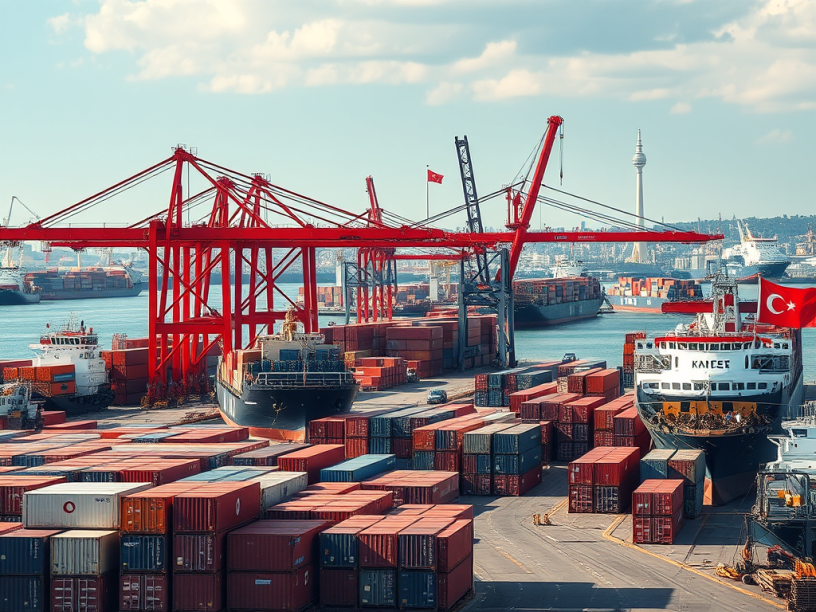
Importing Goods to Turkey: A Complete Guide for Foreign Investors
Turkey, strategically located at the crossroads of Europe and Asia, offers numerous advantages for foreign investors looking to establish or expand their business presence in the region. With a thriving economy and access to diverse markets, importing goods to Turkey can be a lucrative opportunity for foreign companies. However, the process of importing goods to Turkey comes with its own set of regulations, taxes, and documentation requirements that foreign investors must understand to succeed.
In this comprehensive guide, we’ll explore the key aspects of importing goods to Turkey, including the regulatory framework, customs procedures, tax considerations, and how our services can help ensure a smooth and efficient process.
Understanding the Turkish Import Market
Turkey is one of the world’s largest importers, with significant demand for a wide range of goods, including machinery, electronics, chemicals, raw materials, and consumer products. Turkey’s strategic location and its Customs Union agreement with the European Union (EU) make it an attractive destination for companies looking to access both the European and Asian markets.
As a member of the World Trade Organization (WTO), Turkey adheres to international trade rules, but it also has its own specific regulations and procedures that govern the importation of goods.
Importing Goods to Turkey: Key Considerations
1. Customs and Trade Regulations
The import process in Turkey is overseen by the Turkish Ministry of Trade and the Customs and Trade Directorate. Foreign companies looking to import goods must familiarize themselves with Turkish customs regulations, which align with international standards but include some local nuances.
Key regulations include:
- Customs Tariffs: Turkey uses the Harmonized System (HS) to classify imported goods. Depending on the category of the product, different customs duties and tariffs may apply. It’s important for foreign investors to verify the correct HS code for their goods to ensure proper tariff calculation.
- Import Licenses: For certain goods, Turkey requires import licenses or permits. This includes items such as pharmaceuticals, chemicals, agricultural products, and weapons. These licenses must be obtained before shipping goods to Turkey.
- Free Trade Agreements (FTAs): Turkey has signed multiple Free Trade Agreements (FTAs) with countries and regions worldwide, offering reduced tariffs or duty-free access for certain goods. Foreign investors can benefit from these agreements when importing goods into Turkey, depending on the country of origin.

2. Customs Procedures and Documentation
To import goods to Turkey successfully, companies must comply with Turkish customs procedures and provide the necessary documentation. Accurate documentation is essential to avoid delays and additional costs at customs.
The key documents required for importing goods to Turkey include:
- Commercial Invoice: This is the most critical document and must detail the quantity, description, and price of the goods.
- Bill of Lading (or Airway Bill): This document proves that goods have been shipped and outlines the terms of transportation.
- Packing List: The packing list specifies the contents of each package being imported.
- Certificate of Origin: This document verifies the origin of the goods, which is important for calculating customs duties and determining eligibility for preferential tariffs under FTAs.
- Import Declaration Form: This form must be submitted to Turkish customs authorities for all imported goods.
- Product-Specific Documentation: Depending on the goods being imported, additional certificates or permits may be required, such as health certificates for food products, safety certificates for machinery, or CE marking for certain industrial goods.
3. Taxation on Imports
When importing goods to Turkey, foreign investors must be aware of the tax implications. The most common taxes associated with imports include:
- Customs Duties: Customs duties are calculated based on the customs value of the imported goods, which includes the cost of the goods, shipping costs, and insurance.
- Value-Added Tax (VAT): Imports to Turkey are subject to VAT, with the standard rate currently at 20% as of 2024. Reduced VAT rates of 10% and 1% apply to specific goods, such as foodstuffs and medicines. VAT is calculated on the customs value plus customs duties.
- Special Consumption Tax (SCT): Certain goods, such as petroleum products, alcohol, tobacco, and luxury goods, are subject to SCT. This tax varies depending on the category of the goods.
- Stamp Duty: Stamp duty may be applicable on certain import documents, such as contracts and invoices.
4. Free Zones and Warehousing
Turkey offers several Free Zones where foreign companies can import, manufacture, and re-export goods with significant tax and duty exemptions. These zones are designed to attract foreign investment by providing an advantageous regulatory and fiscal environment. Free Zones in Turkey offer the following benefits:
- Exemption from Customs Duties: Goods imported into Free Zones are exempt from customs duties, VAT, and other taxes.
- Duty-Free Warehousing: Companies can store goods in Free Zones without paying customs duties or taxes until the goods are sold domestically or re-exported.
- Simplified Procedures: Free Zones offer simplified customs procedures, reducing the administrative burden on foreign investors.
Steps to Import Goods to Turkey
To simplify the process of importing goods to Turkey, foreign investors should follow these key steps:
1. Obtain an Importer Registration Number
Before importing goods to Turkey, foreign investors must register with the Turkish Ministry of Trade and obtain an importer registration number. This number is required for submitting import declarations and other customs documents.
2. Classify Your Goods
Proper classification of goods is essential to determine the correct customs duties and taxes. As mentioned earlier, Turkey follows the Harmonized System (HS) for product classification. Foreign investors should work with a customs broker or legal expert to ensure their goods are correctly classified.
3. Check for Import Licenses or Permits
Verify whether your goods require an import license or permit. This step is critical for products such as pharmaceuticals, chemicals, electronics, and food items. Obtaining the necessary licenses in advance will prevent delays at customs.
4. Submit an Import Declaration
Once your goods are ready to be imported, you must submit an Import Declaration Form to Turkish customs. This declaration includes details about the goods, their value, origin, and transportation.
5. Pay Customs Duties and Taxes
Foreign investors are required to pay any applicable customs duties, VAT, and other taxes before their goods are released from customs. Payment can be made through authorized banks or customs brokers.
6. Clear Goods Through Customs
After paying the required duties and taxes, the goods will undergo customs inspection. This process ensures that the documentation is accurate and that the goods comply with Turkish regulations. Once cleared, the goods are free to enter the Turkish market.
Challenges in Importing Goods to Turkey
While importing goods to Turkey presents significant opportunities, foreign investors may also face several challenges, including:
- Complex Regulations: Turkey’s customs and trade regulations can be complex, and navigating the system requires a thorough understanding of the rules. Working with experienced legal or customs professionals can help minimize regulatory risks.
- Documentation Requirements: Accurate documentation is critical to the import process. Errors or omissions in paperwork can result in delays, fines, or even the seizure of goods.
- Customs Inspections: Turkish customs authorities conduct random inspections of imported goods to ensure compliance with regulations. Investors should be prepared for these inspections and ensure their goods meet all legal and safety requirements.
- Changing Tax Rates: Turkey’s tax regulations, including VAT and customs duties, may change from year to year. It is essential to stay updated on current tax rates to avoid unexpected costs.
How Our Services Can Help You with Importing Goods to Turkey
As seasoned financial advisors with more than 15 years of experience in working with multinational companies and foreign investors, we provide a comprehensive range of services tailored to help businesses successfully navigate the complexities of importing goods to Turkey. Our services include:
- Tax Optimization: With in-depth knowledge of Turkey’s VAT, customs duties, and other taxes, we assist businesses in optimizing their tax strategy to reduce costs.
- Free Zone Consultation: For businesses looking to benefit from Turkey’s Free Zones, we offer guidance on how to maximize the advantages of these tax-friendly environments.
Conclusion
Importing goods to Turkey offers foreign investors significant opportunities to tap into a vibrant and dynamic market. However, navigating the complex regulatory environment, customs procedures, and tax considerations requires careful planning and expert guidance. By understanding the key steps involved, foreign investors can minimize risks and ensure a successful import process.
FAQ
1. What are the requirements for importing goods to Turkey?
Answer:
To import goods to Turkey, foreign investors must first register with the Turkish Trade Registry and obtain a tax ID. Additionally, they need an importer registration with the Ministry of Trade and comply with Turkish Customs regulations. Some goods may require additional licenses or certifications, such as health or safety approvals, depending on the type of product.
2. What are the customs duties and taxes on imports to Turkey?
Answer:
Customs duties and taxes in Turkey vary based on the product classification under the Harmonized System (HS) codes. In addition to customs duties, imports are subject to Value Added Tax (VAT), Special Consumption Tax (SCT), and in some cases, anti-dumping duties. VAT rates range from 1% to 20%, and customs duties depend on the origin and type of goods.
3. What documents are needed to import goods to Turkey?
Answer:
Common documents required for importing goods to Turkey include the commercial invoice, packing list, certificate of origin, bill of lading, import declaration, and relevant licenses or certifications. Additional documentation may be necessary depending on the product category, such as quality certificates or test reports.
4. Are there any restrictions on importing specific goods to Turkey?
Answer:
Yes, Turkey imposes restrictions and bans on the importation of certain goods. Prohibited items include hazardous materials, counterfeit goods, and certain agricultural products. Restricted goods, like pharmaceuticals, chemicals, and firearms, require specific permits and approvals from relevant Turkish authorities before import.
5. How long does the customs clearance process take when importing to Turkey?
Answer:
The customs clearance process in Turkey typically takes 1-3 days if all required documents are in order. However, it can take longer if there are inspections, missing documentation, or special permits required. Using a customs broker can help expedite the process and ensure compliance with Turkish regulations.
 Invest CPA Ltd. Turkey